Understanding Your Dog’s Training Needs In Mantrailing
Understanding Your Dog’s Training Needs In Mantrailing
We often feel like our dogs are either smashing it or struggling…but how often do we actually stop and think about why it’s happening?
One week your dog is absolutely smashing every trail, confidently making decisions and having successful finds.
The next week? They’re struggling on starts and looking like they’ve forgotten how the game works entirely.
And honestly, that rollercoaster can feel confusing as a handler, especially when it seems like progress suddenly disappears overnight or like you're 'going backwards'.
But usually, there’s far more going on beneath the surface than simply whether a dog has a good or bad trail.
'Mastery is achieved through deliberate practice.' - Author Unknown
Why Foundation Training Matters So Much
The strength of a building lies in its foundation.
And Mantrailing is no different.
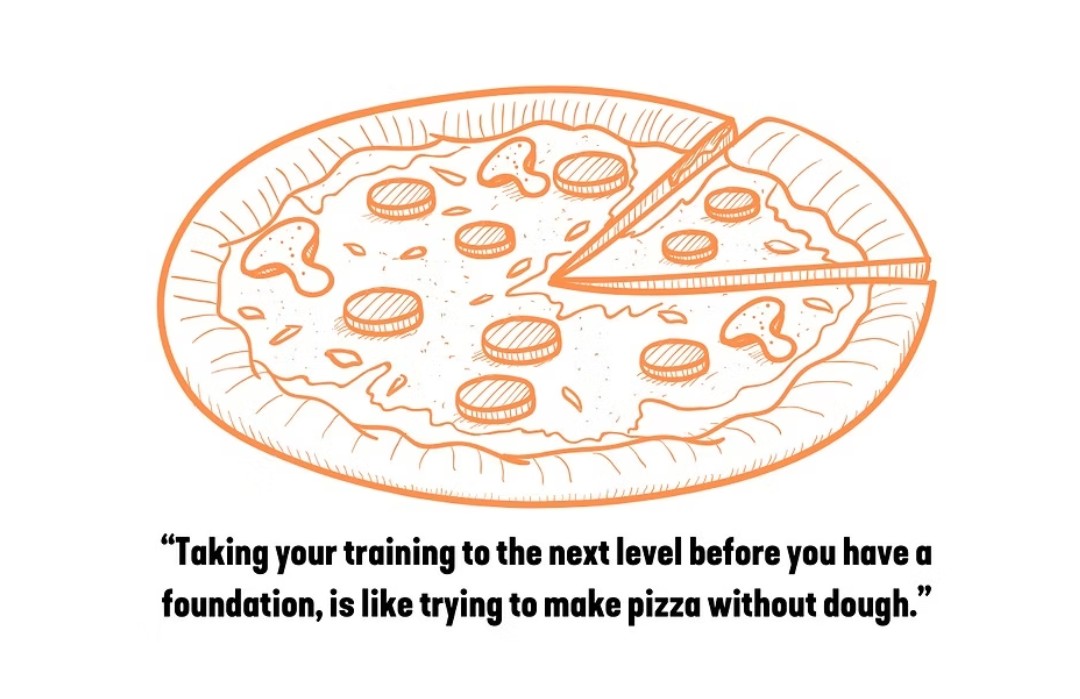
The main purpose of the foundation is to hold the structure above it and keep it strong and upright. If we rush through training without properly developing the basics, cracks eventually start appearing:
confusion
frustration
reduced confidence
poor decisions
loss of motivation
Building a foundation is a process which takes different ingredients such as trust, patience and A LOT of training and is what ensures both handler and dog understand the game and have the skills to be successful during a trail.
Mantrailing is a 2 way sport which relies on communication between you and your dog which means that both ends of the lead must be open to learning in order to create a solid foundation, not just your dog!
What Happens When Training Becomes Too Difficult?
Dogs learn best when they experience success.
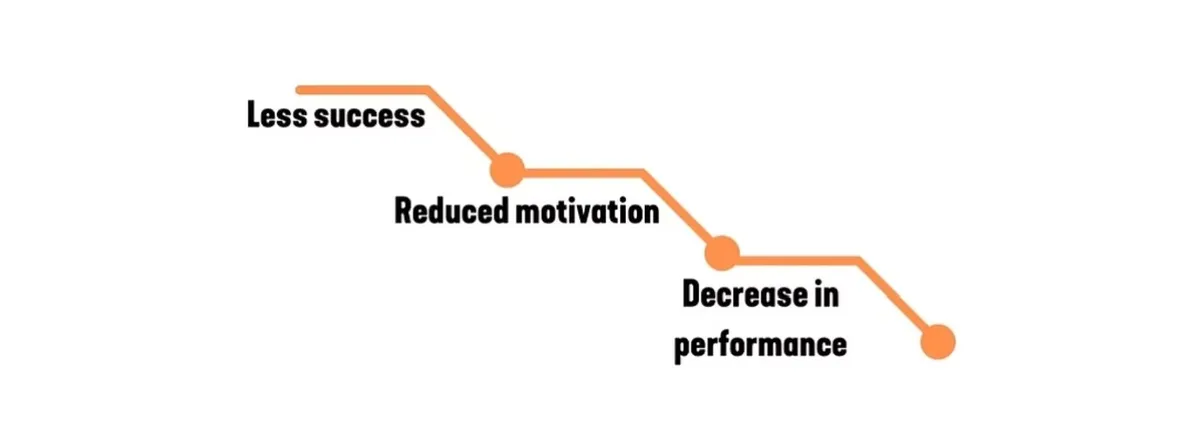
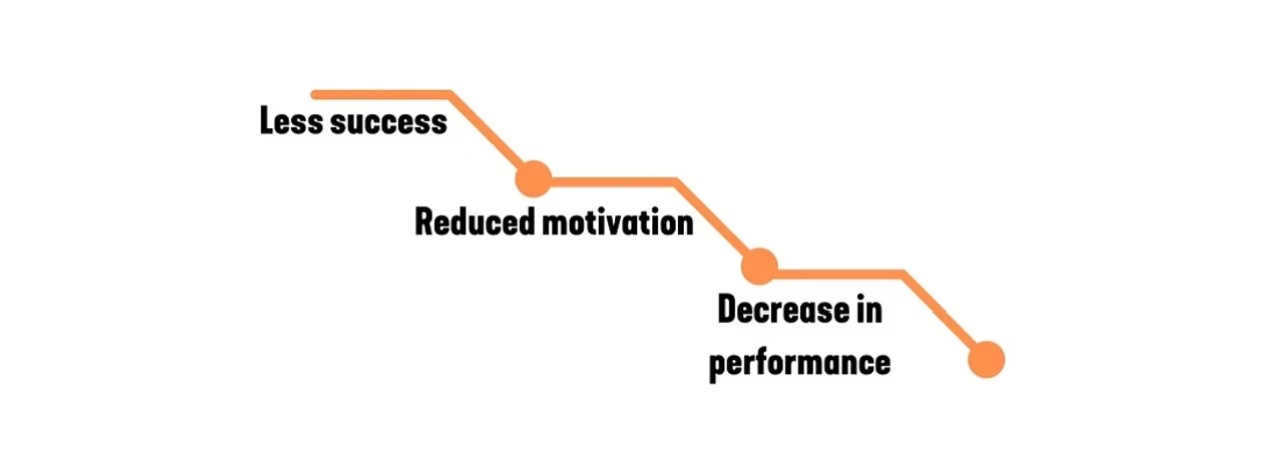
If training constantly becomes too difficult too quickly, motivation often starts dropping.
Think about it like this:
Imagine your boss gave you a task completely outside your skillset with almost no support or preparation. You try your hardest, struggle through it, miss the deadline and then get criticised for performing badly.
Would you feel motivated and confident doing it again?
Probably not.
Dogs are no different.
When dogs repeatedly struggle during training, their confidence drops, enthusiasm decreases, stress increases and performance often declines.
Whereas successful training creates:
motivation
resilience
confidence
engagement
problem-solving ability
That’s why thoughtful progression and trail set up's matter so much in Mantrailing.
Understanding Training Components And Criteria
One thing instructors constantly balance during training is components and criteria.
A training component is the individual aspect of training you are working on. For example: A split Start
Criteria is a standard which something can be judged or decided. For example: A confident decision on the direction of travel from the scent article.
One of the biggest mistakes people make is increasing too many criteria at once.
For example:
If you’re introducing a brand-new split start exercise, it probably isn’t the best time to also add:
heavy contamination
long trail lengths
multiple decoys
difficult weather
busy environments
Instead, by lowering other criteria, dogs have a much better chance of understanding and succeeding at the new skill being introduced.
And honestly, success builds learning far faster than repeated failure ever will.
Proofing & Generalising In Mantrailing
Proofing simply means helping dogs understand and generalise a skill across different situations and environments, including with distractions present.
Just because a dog successfully completed an exercise once successfully…doesn’t necessarily mean they fully understand that concept yet.
Dogs still need experience performing those skills under varying conditions:
different weather
different environments
varying contamination levels
different surfaces
changing wind patterns
different distractions
Because if we don't, how do we know if they genuinely understand the concept, or they accidentally got lucky?
Proofing and generalising helps us understand the difference.
Sometimes Progress Means Taking A Step Back
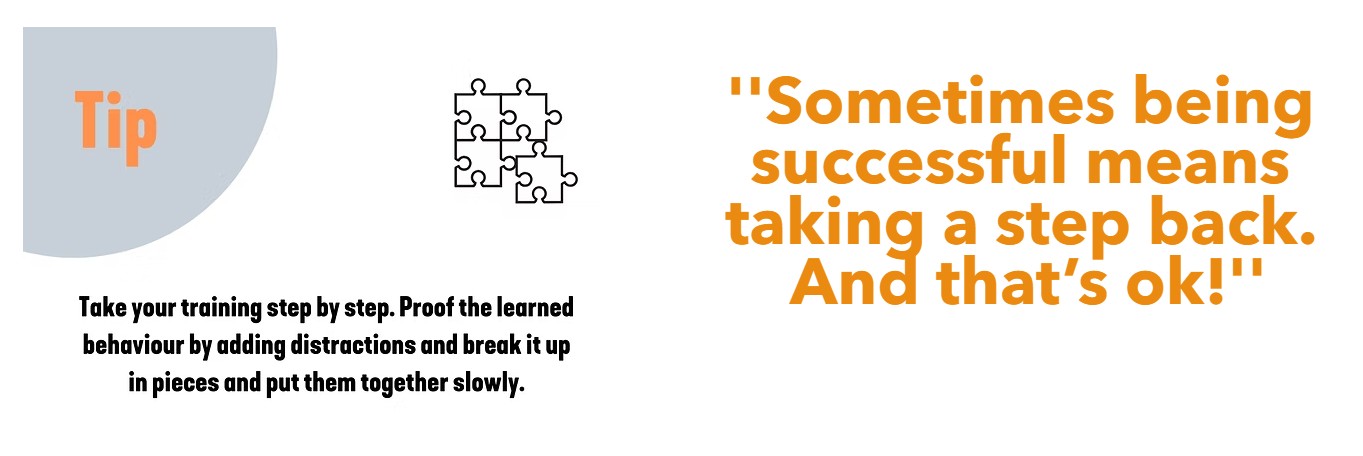
One of the most important things handlers can learn is this that taking a step back or revisiting foundations is not failure. it's exactly what helps dogs progress long term.
Good instructors constantly adjust training based on what the dog needs, not based on rushing through levels or making trails harder for the sake of it.
Understanding The 'Yo-Yo Effect' In Training
If you’ve attended Mantrailing sessions for a while, you’ve probably noticed training sometimes feels a bit like a yo-yo.
One week you’re doing advanced exercises, the next week you’re revisiting foundations again.
That’s completely normal.
The 'yo-yo effect' reflects the constant balancing act between:
introducing new skills
strengthening foundations
building confidence
building resilience
maintaining motivation
Because training isn’t linear.
Dogs develop at different speeds, struggle with different things and need different support at different times.
Mantrailing has many moving parts and it's important to always remember that in your training.
Great Mantrailing Creates Confident Problem Solvers
At its core, good Mantrailing training is about setting dogs up to succeed.
Not by always making things more complex and challenging, or on the opposite scale, easy forever.
We carefully balance challenge, understanding and confidence with maintaining fun and motivation, so dogs become resilient problem solvers who genuinely enjoy the game.