How To Choose The Best Long Line For Mantrailing
How To Choose The Best Long Line For Mantrailing
Choosing the right long line for Mantrailing might seem like a fairly straightforward decision. After all, it's just a line connecting you to your dog, isn't it?
But when you're out trailing, your long line plays an important role. It needs to work for both you and your dog, cope with the demands of your training environment and allow you to handle it confidently as your dog follows the trail.
With so many different types of Mantrailing long lines available, how do you know which one is best?
The truth is, there isn't one perfect long line for every dog and handler team. The best choice depends on several factors, including safety, your dog's size, your personal preferences and your budget.
Let's take a look at the different options and what you need to consider when choosing a long line for Mantrailing.
What Should You Consider When Choosing a Mantrailing Long Line?
Before comparing different materials, there are a few important things to think about:
1. Safety
Your long line needs to be safe for both you and your dog. That means choosing a well-made product from a reputable manufacturer and checking that it's suitable for the demands of Mantrailing.
Consider the quality of the material, the strength of the fittings (clasp and handle fastenings) and whether the line is appropriate for the dog attached to it.
2. Personal preference
Some handlers feel more confident using one type of long line over another. You might prefer the feel of a fabric line, the grip of a specialist training line or the durability of leather. That confidence matters because if you're constantly worrying about your line, it can make handling your dog more difficult.
If possible, try different types of line before committing to a purchase. What works well for another handler might not be the best option for you.
3. Your dog's size and breed
A long line that's suitable for a small dog might not be the best choice for a larger, stronger dog.
Think about the weight, how hard your dog pulls, thickness of the line, how easy it is to handle and whether the material is appropriate for your dog's size and strength.
For smaller breeds, a lightweight line may be more comfortable and practical as the wright of a heavier longline can be problematic for a small dog. For a powerful dog, you'll need to pay particular attention to the line's suitability, strength and handling characteristics.
The aim is to find a line that's appropriate and safe for your dog without making it unnecessarily difficult for you to manage.
4. Cost
Cost can also influence your decision. Some long lines are relatively inexpensive and specialist options or leather lines can require a larger initial investment.
It's worth considering not just the purchase price, but also how long the line is likely to last and how much maintenance it requires.
A cheaper line may be a sensible starting point, particularly if you already own one. However, if you're planning to Mantrail regularly, investing in a line that suits your needs may be worthwhile.
The Different Types of Long Line for Mantrailing
Let's look at four common types of long line and the advantages and disadvantages of each.
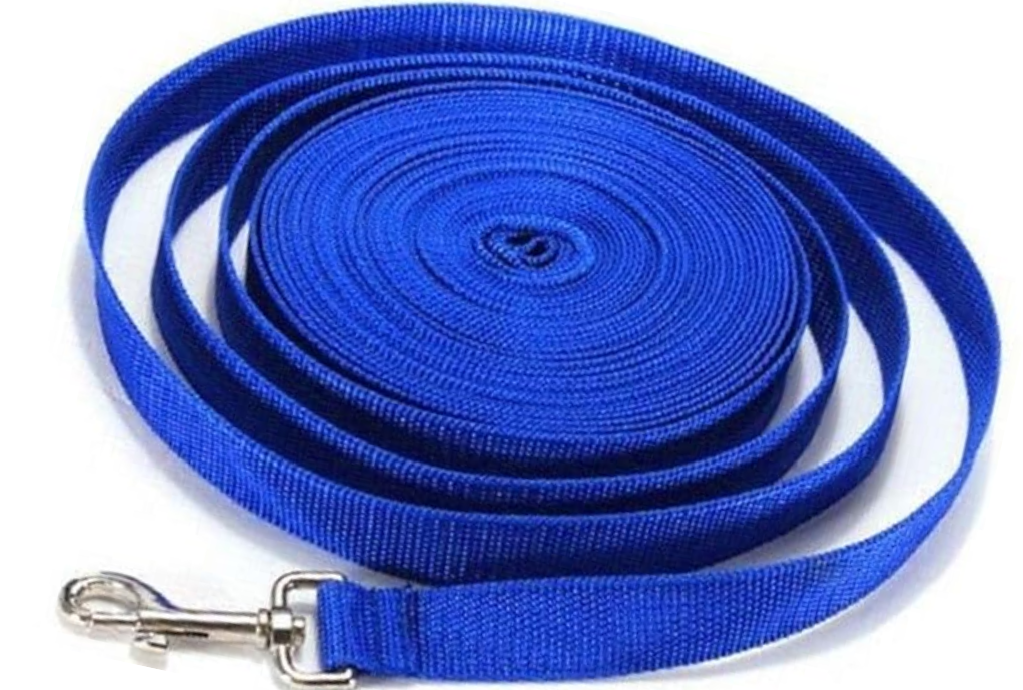
A Fabric Longline
Fabric long lines are a familiar option for many dog owners. You may already have one at home, which makes them an accessible and relatively inexpensive choice when you're starting Mantrailing.
The pros of fabric long lines
Relatively inexpensive: They can be a budget-friendly option for handlers who are new to the sport.
You may already own one: If you have a suitable long line at home, you might not need to buy new equipment straight away.
Lightweight options for small breeds: A lightweight fabric line can be a practical choice for tiny dogs, provided it's suitable for the dog and the demands of the activity.
The cons of fabric long lines
They can tangle easily: A line that twists or tangles can become frustrating to manage while your dog is working.
Risk of rope burn: As with all long lines, friction can cause burns if the line moves quickly through your hands.
They can hold water: Fabric lines can absorb water and become heavier or slippery in wet conditions, potentially making them more difficult to handle.
A fabric long line may be a useful starting point, especially if you already have one, but before using it for the first time, you need to consider the condition it is in (no chewed area's or knots) and the quality of it before trusting it for Mantrailing.
Super Grip Long Lines
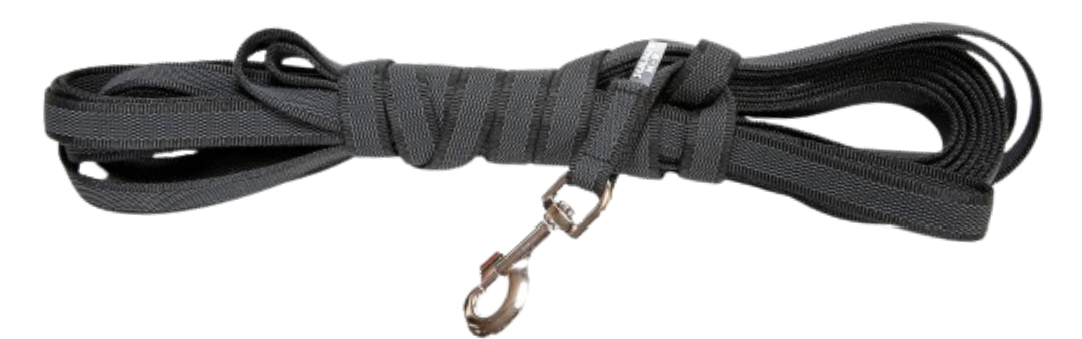
Super grip long lines are designed to provide enhanced grip and are often chosen by handlers who want a premium-quality line that's easier to manage during training.
The pros of super grip long lines
Superior grip: The material is designed to offer a secure feel in the hand.
Premium quality: They can be an appealing option for handlers who want specialist equipment for regular training.
Less prone to tangling: Compared with some other materials, super grip lines can be easier to manage and less likely to tangle.
Minimal water absorption: They hold very little water, which can be beneficial when training in wet conditions.
The cons of super grip long lines
Greater risk of hand burns: The grip that makes these lines appealing can also create friction if the line moves quickly through your hands. Gloves are particularly important.
Super grip may suit handlers who value grip and ease of handling, but don't mistake a good grip for protection against rope burn. You still need to handle the line carefully and wear suitable gloves.
Biothane Long Lines
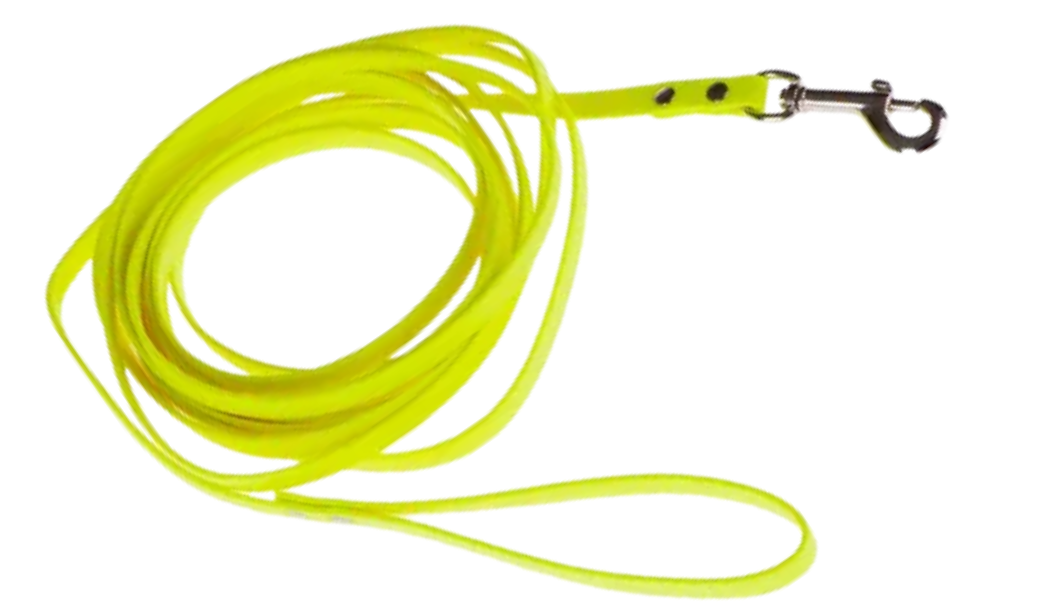
Biothane is a coated material used in various types of dog equipment. Its lightweight construction and easy-clean surface can make it an attractive option for handlers who want something practical.
The pros of Biothane long lines
Lightweight: A lightweight line can be easier to carry and manage and can be particularly useful for tiny breeds.
Easy to clean: Dirt and mud can generally be wiped off the surface easily, making cleaning straightforward after a training session.
The cons of Biothane long lines
They can become slippery: The surface can be slippery, particularly when wet, which may make handling more difficult.
Not suitable for strong dogs: Biothane lines aren't appropriate for every dog, particularly powerful dogs that put considerable force through the line. Always check that the specific line is suitable for your dog's size and strength.
Although Biothane can be convenient to clean and maintain, think carefully about how it feels in your hands and whether it offers the handling characteristics you need.
Leather Long Lines
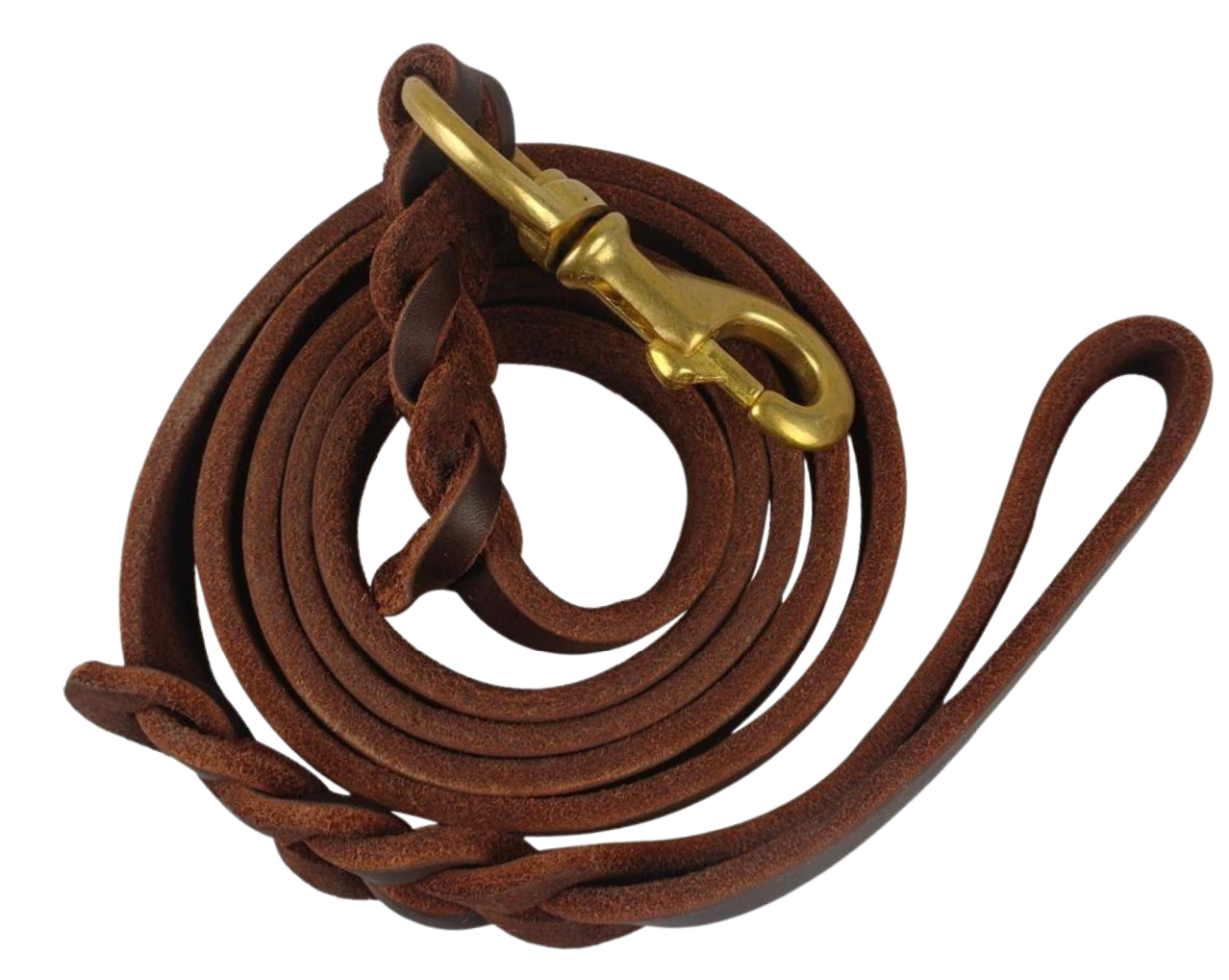
Leather is another option for dog handlers, particularly those looking for a durable and strong line.
The pros of leather long lines
Extremely durable: With appropriate care, a good-quality leather line can last a long time.
Strong: Leather can be a suitable option when you need a robust line, provided the specific product is appropriately made and rated for your dog.
The cons of leather long lines
More expensive: Leather lines can cost more than some alternative materials.
Ongoing maintenance: Leather needs regular care to keep it in good condition. This is something to factor into your decision if you want equipment that's easy to clean and maintain.
Leather may appeal to handlers who value durability and are happy to invest time and money in looking after their equipment.
Don't Forget Your Gloves!
Whatever long line you choose, it's important to think about protecting your hands.
Even when you're confident handling a line, your dog can accelerate or change direction unexpectedly. If the line moves quickly through your hands, friction can cause painful rope burns.
Wearing suitable gloves is a simple but important precaution when Mantrailing. Choose gloves that allow you to handle the line confidently while providing appropriate protection. Make sure you can still manage the line safely and maintain awareness of your dog's movements.
And remember, gloves don't remove every risk. Good line-handling skills and suitable equipment remain essential.
Which Long Line Is Best for Mantrailing?
As you've probably realised, there's no single answer.
Each material has advantages and disadvantages, and the right choice will depend on your dog, your handling preferences and the conditions in which you train.
Long-line type | Main advantages | Main disadvantages |
|---|---|---|
Fabric | Affordable, familiar, lightweight options available | Can tangle, absorb water and become slippery |
Super grip | Excellent grip, premium feel, less prone to tangling, minimal water absorption | Friction can increase the risk of hand burns |
Biothane | Lightweight and easy to clean | Can become slippery and may not suit strong dogs |
Leather | Durable and strong | More expensive and requires ongoing maintenance |
Use this information as a starting point rather than a definitive ranking.
Choosing the best long line for Mantrailing isn't about finding the most expensive option or choosing the material another handler recommends. It's about finding equipment that's safe, appropriate for your dog, comfortable for you to handle and suitable for your training conditions.
The best long line isn't necessarily the one everyone else uses. It's the one that allows you and your dog to work safely and confidently together.
Love learning about Mantrailing? Join our Online Mantrailing Club for in-depth training, video lessons and on-going support
👉 Learn more here: https://www.mantrailingglobal.com/mantrailing-membership
Want to turn your passion for Mantrailing into a career? Our Mantrailing Global Instructor Course gives you the knowledge, practical skills and confidence to teach Mantrailing to others.
👉 Discover more here: https://www.mantrailingglobal.com/instructorcourse