Choosing the Right Harness for Mantrailing
Choosing the Right Harness for Mantrailing
A badly fitting harness can ruin a Mantrailing session for your dog faster than you think.
In the same way uncomfortable shoes can turn a great walk into a miserable experience for us, the wrong harness can affect how a dog moves, feels and even how much they enjoy trailing.
And because Mantrailing relies so heavily on freedom of movement and body language, harness fit matters far more than many people realise.
Why Dogs Wear Harnesses For Mantrailing
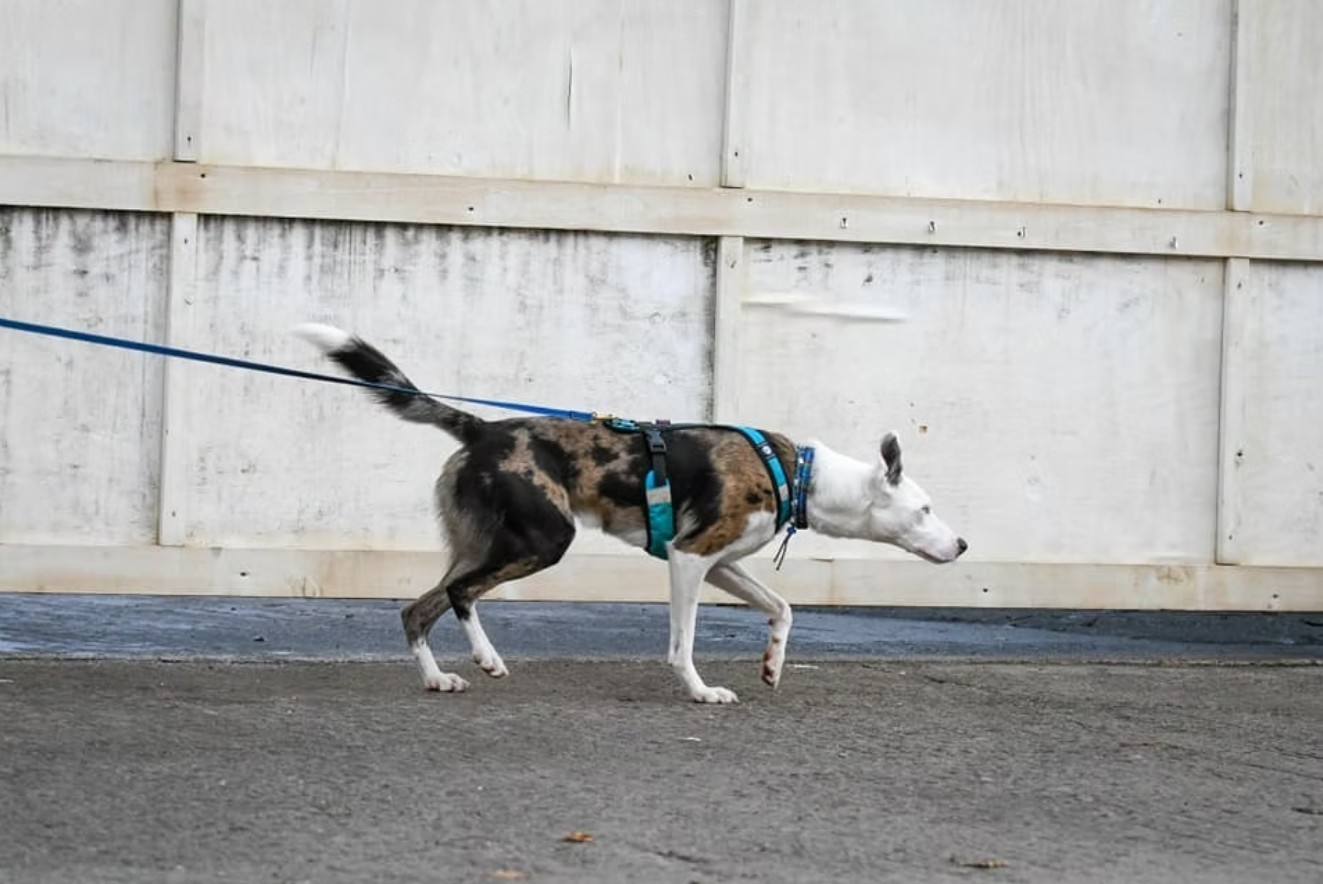
Using a harness instead of a collar helps distribute that pressure more evenly across the dog’s body rather than placing strain on the neck or throat area. This reduces the risk of discomfort and allows the dog to move far more naturally while working.
A harness also makes it much easier for handlers to observe subtle body language changes during the trail. Because communication during Mantrailing relies heavily on movement and posture, restricting the dog physically can interfere with how clearly they’re able to work and communicate.
Many handlers also choose to use a specific harness purely for Mantrailing sessions because, over time, the harness itself becomes part of the dog’s trailing ritual and helps signal 'we’re about to work'.
Why Harness Fit Matters So Much
A good harness:
1. ensures the dog is comfortable whilst working.
2. allows for freedom of movement and full motion of the joints.
3. doesn't restrict breathing ability.
4. avoids any rubbing or chaffing.
5. allows the dog to work more efficiently.
6. minimises risk of injury long/short term.
7. distributes any pull motion evenly and safely across the body.
8. A bad fitting harness can even be aversive to a dog and create a negative association to Mantrailing!
Long Harness Vs Short Harness
One thing that often confuses owners is the huge number of harness styles available for dog sports.
Generally speaking, sport harnesses tend to fall into two categories:
long harnesses
short harnesses
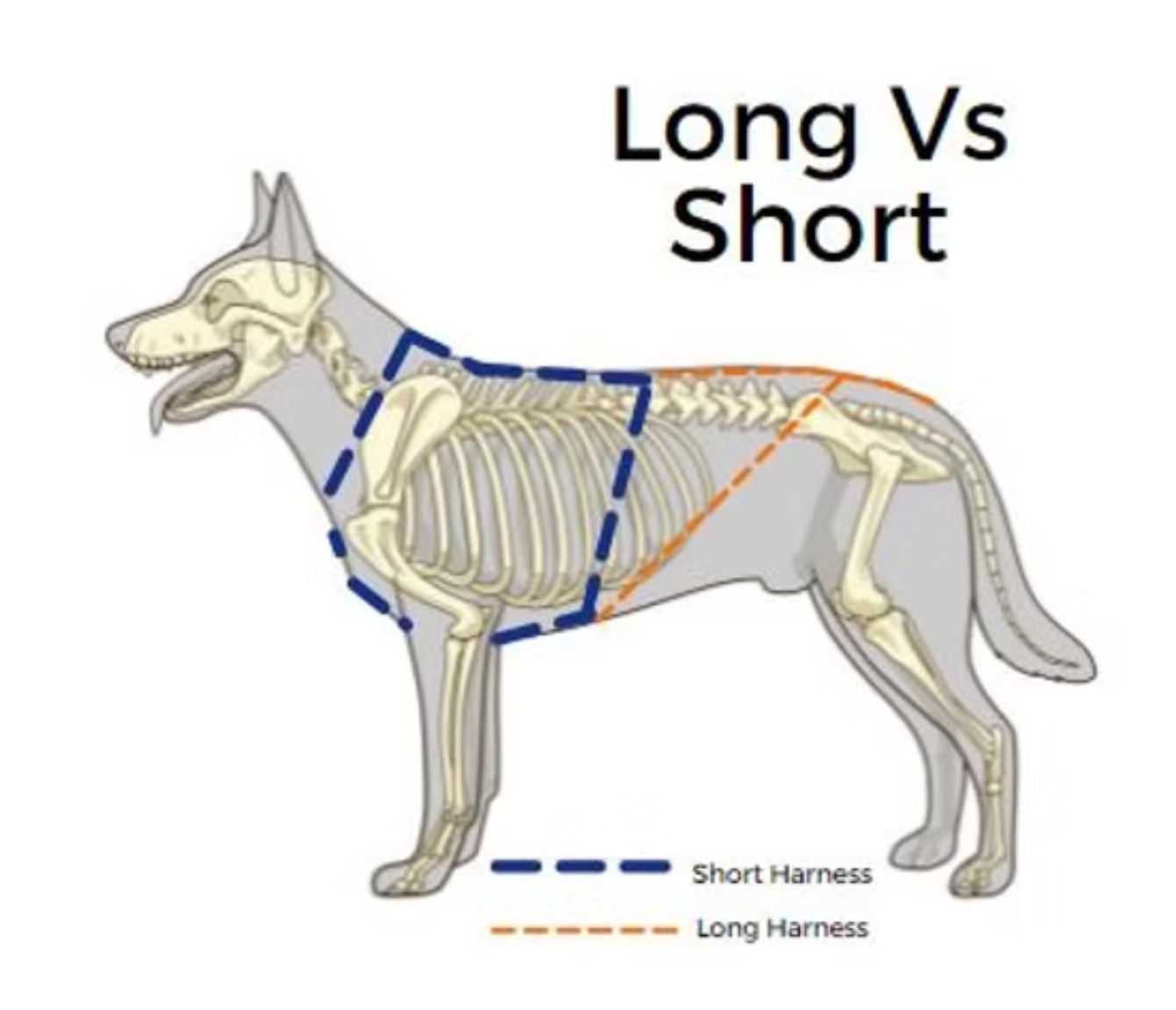
For Mantrailing, shorter harness styles are usually preferred.
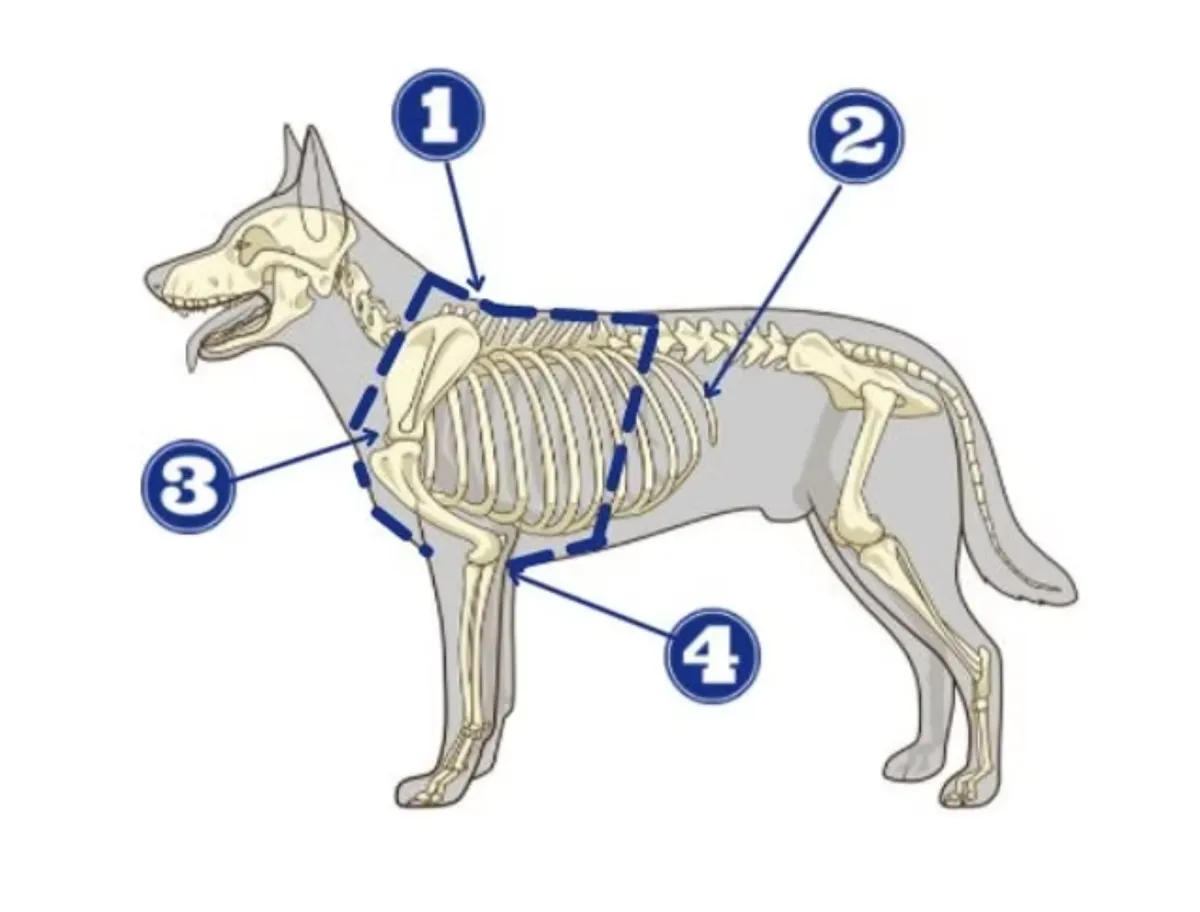
Short harnesses sit closer to the dog’s natural body movement and typically finish before the last rib. This allows the harness to move more naturally with the dog as their movement and pulling intensity constantly changes throughout the trail.
Long harnesses are often designed for more consistent pulling activities. Because trailing behaviour changes so frequently, these styles can sometimes shift out of place or become irritating when the dog isn’t maintaining constant tension.
Short harnesses also tend to feel less invasive for dogs who are sensitive to touch or handling.
Why Y-Front Harnesses Are Popular For Mantrailing
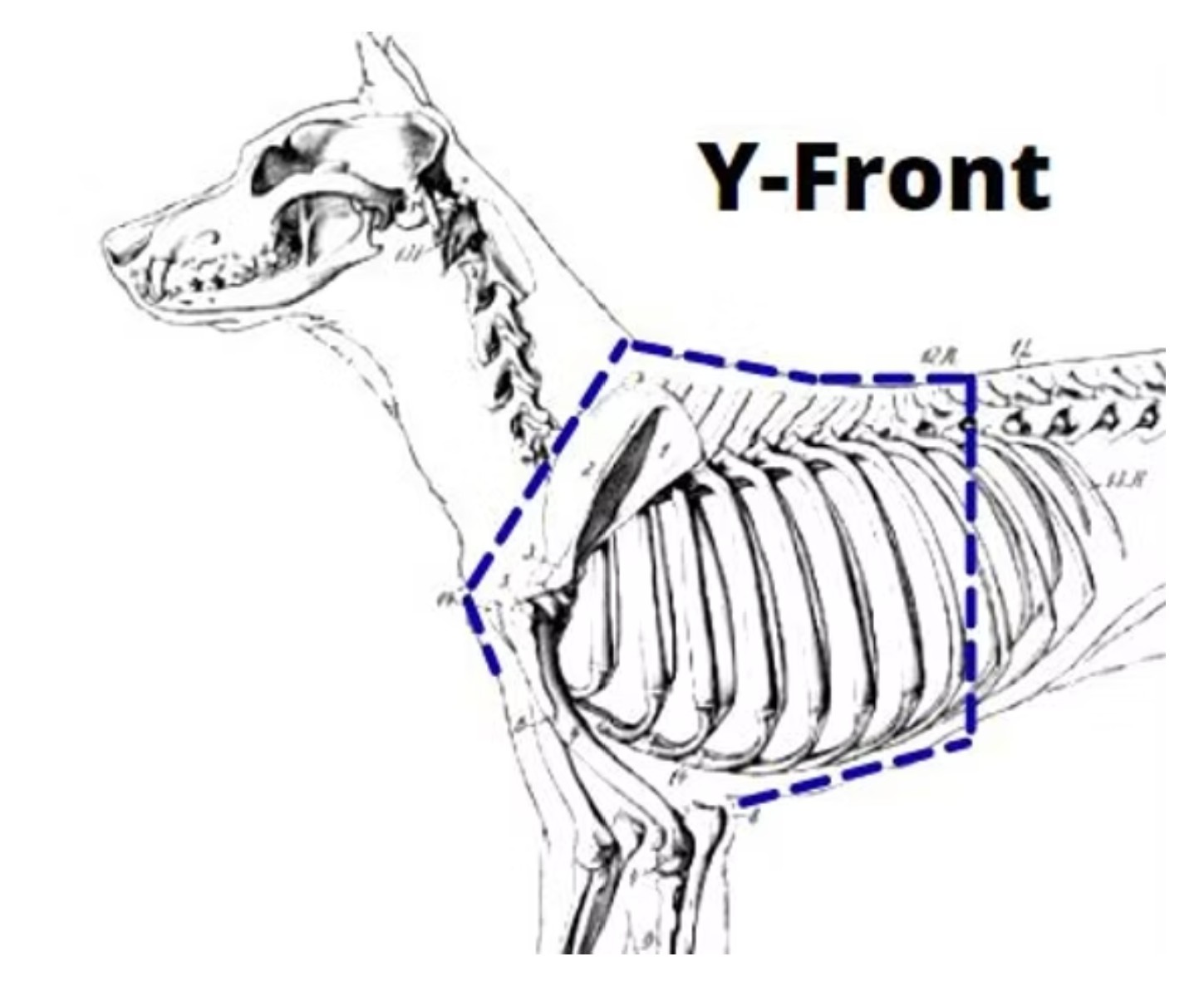
Y-front harnesses are often recommended for Mantrailing because they allow better freedom of movement through the shoulders and front legs.
Harnesses with straps running straight across the chest can interfere with shoulder extension, scapula movement and natural stride length.
Since trailing involves constant movement, turning and shifting weight distribution, unrestricted movement becomes really important for both comfort and efficiency.
How to Check if Your Harness Fits Correctly
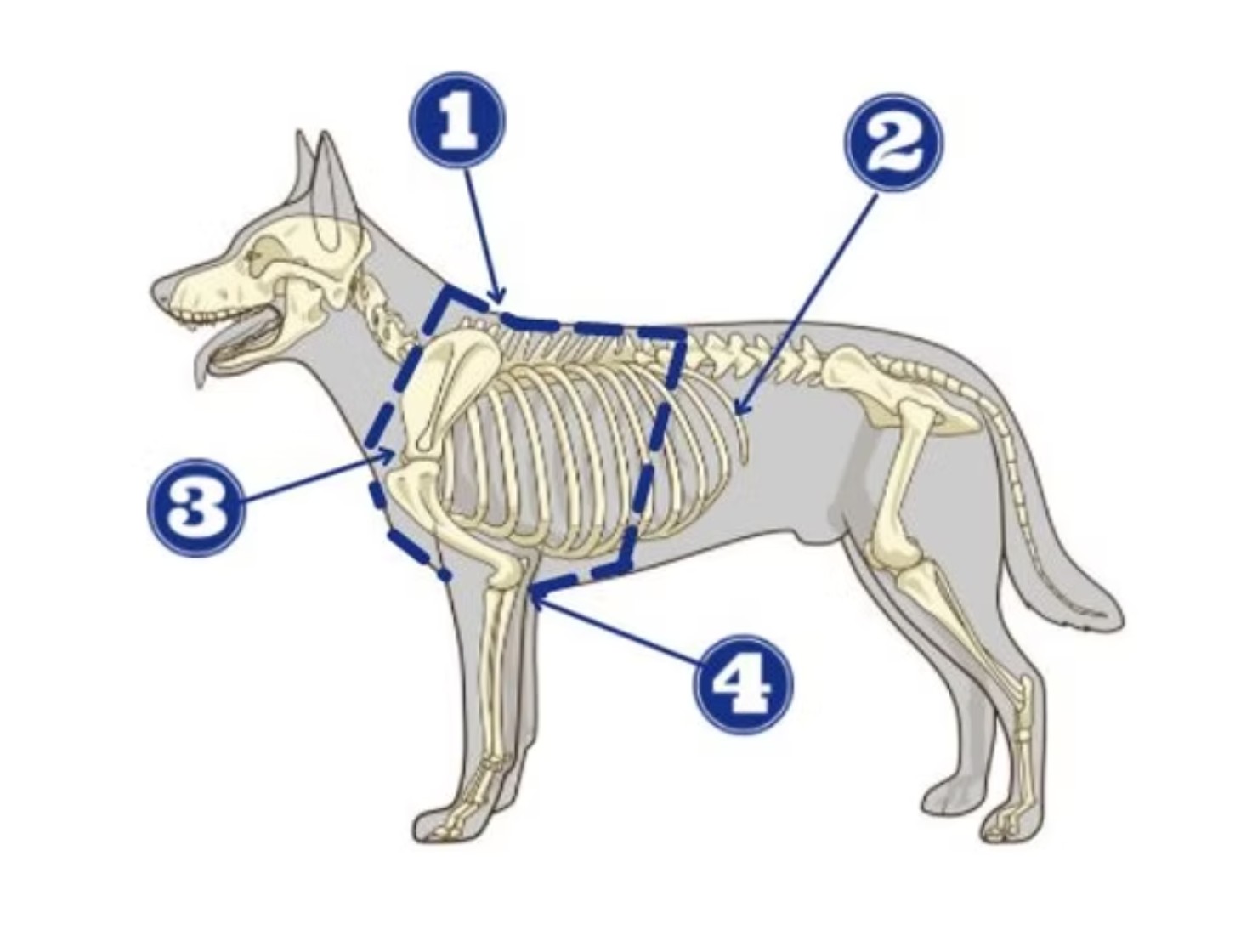
1. The Fit
A well fitting harness should be snug, but not tight.
As a general guide, you should comfortably fit two fingers between the harness and the dog’s body without the harness digging in or hanging loosely.
A few key areas matter particularly during fitting:
2. The Last Rib
Short harnesses should not extend beyond the final rib. Pressure further back can place strain on soft tissue and internal organs.
3. The Sternum
The front 'V' section should sit on the sternum bone rather than up near the throat. If it sits too high, it can interfere with breathing and create pressure around the neck.
4. The Armpits
Harness straps should sit clear of the armpit area to avoid rubbing, chafing and discomfort during movement.
Signs Your Harness May Not Fit Properly
Dogs don’t always make discomfort obvious, so it’s important to watch for small signs that the harness may not be fitting correctly.
Things to look out for include:
coughing or rasping sounds when pulling
redness or hair loss
rubbing under the armpits
restricted shoulder movement
excess material bunching around the shoulders
hesitation moving into the harness
If a harness affects movement or causes discomfort, it can quickly create negative associations with trailing.
The Right Harness Helps Dogs Trail Better
A comfortable dog moves differently.
When dogs feel unrestricted and confident in their equipment, they’re able to work more efficiently, move naturally, communicate clearly with their body language and enjoy the game fully.
And because Mantrailing is such a movement-based activity, those small details really do matter.
If you’d like help choosing the right harness for your dog, your local Mantrailing Global Instructor will be happy to help with fitting advice and recommendations.