5 Incredible Things Dogs Can Smell That Humans Can’t
5 Incredible Things Dogs Can Smell That Humans Can’t
Dogs experience the world through their noses in a way we can barely imagine.
While humans have around 5 million scent receptors, dogs can have up to 300 million depending on the breed. That means they can detect odours at concentrations far too small for us to notice, making them some of the most powerful natural detection systems on the planet.
And it’s not just drugs or explosives they can sniff out.
From whale poop floating in the ocean to life-threatening medical conditions, dogs are helping humans in ways that still blow scientists away.
Here are five incredible things dogs can smell that humans can’t:
1. Bed Bugs

Bed bugs are experts at hiding.
They squeeze into tiny cracks, electrical outlets, carpets, stuffed toys and deep inside mattresses, making infestations difficult for humans to spot early. Dogs, however, can detect even a single live bed bug using their sense of smell.
Even more impressively, trained bed bug detection dogs can tell the difference between:
Live bugs
Dead bugs
Viable eggs
Old infestations
Because dogs are small and agile, they can search spaces humans often overlook, helping exterminators identify infestations faster and more accurately.
Training dogs for bed bug detection has become a popular chemical-free support tool within pest control. In the United States, the National Entomology Scent Detection Canine Association (NESDCA) specialises in certifying detection dog teams for this work.
2. Diabetes Detection

Diabetes Assist Dogs can literally save lives.
These specially trained dogs detect subtle chemical changes in a person’s scent when blood sugar levels begin dropping dangerously low. Before the person even realises something is wrong, the dog may:
Paw at them
Nudge them
Bark
Persistently alert them
This gives the person time to check their blood sugar and avoid severe hypoglycaemia.
Some dogs are also trained to:
Bring glucose tablets or juice
Fetch a phone
Get help from another person
Many diabetes alert dogs wear backpacks containing emergency information and fast-acting sugar sources in case their handler becomes disoriented or unconscious.
3. Whale Poop Detection

Yes, really. Whale poop.
In 2001, researcher Sam Wasser realised detection dogs could help scientists locate whale scat floating in the ocean far more effectively than humans alone.
Why does whale poop matter so much?
Because it gives researchers valuable information about:
Whale health
Hormones
Stress levels
Reproduction
Diet
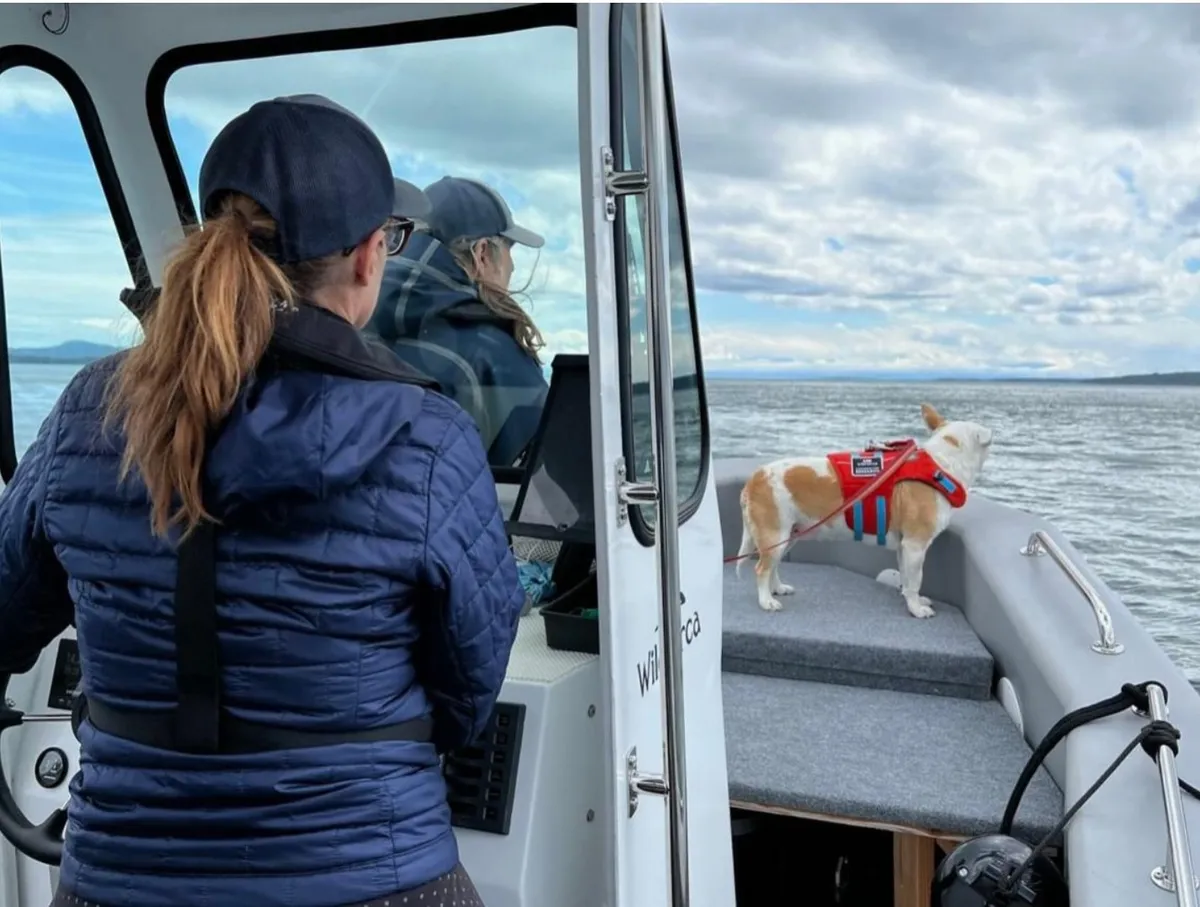
One famous detection dog, Tucker, started life as a stray wandering the streets of Seattle before becoming part of a marine conservation team helping scientists protect whale populations.
And surprisingly, there’s no “perfect” breed for this job. Successful whale detection dogs have included:
Shepherd mixes
Cattle dogs
Retrievers
Even Chihuahua mixes
The biggest common factor? High energy, toy drive and a strong relationship with their handler.
4. DVD Detection

Two black Labradors named Lucky and Flo became famous for being the first dogs trained to detect DVDs by scent.
Sponsored by the Motion Picture Association of America, these dogs were trained to identify polycarbonate discs commonly used in DVDs.
Their work helped law enforcement uncover counterfeit DVD operations hidden inside places such as:
Shipping centres
Warehouses
Cargo containers
During operations in Malaysia, the dogs became so successful at finding illegal DVDs that reports claimed pirates even placed a bounty on them.
Not bad for a pair of Labradors with powerful noses.
5. Cancer Detection

One of the most exciting areas of scent detection research involves cancer detection dogs.
Research suggests some cancers release specific volatile organic compounds with unique odours. Humans usually can’t detect these smells until later stages, but dogs may identify them far earlier.
Studies have explored dogs detecting cancers such as:
Lung cancer
Breast cancer
Prostate cancer
Ovarian cancer
While cancer detection dogs are not replacing medical diagnostics anytime soon, their abilities are helping scientists explore faster and earlier detection methods that could potentially save lives.
Pretty incredible stuff!
Dogs Experience A Completely Different World
For humans, smell is often background information.
For dogs, it’s everything.
Their noses allow them to gather information, solve problems, identify illness, locate missing things and even support scientific research in ways we’re still learning about.
The more we study canine scent detection, the more extraordinary dogs become.
Love learning about Mantrailing? Join our Online Mantrailing Club for in-depth training, video lessons and on-going support: